
A Multi-Barrier Approach to Waterborne Pathogen Control in Healthcare Facilities
This article examines the strengths and limitations of common water management strategies, including flushing, temperature control, secondary disinfection, and point-of-use filtration. Because each control has inherent limitations, effective risk reduction requires a multi-barrier approach that combines multiple complementary strategies to minimize patient exposure to waterborne pathogens.
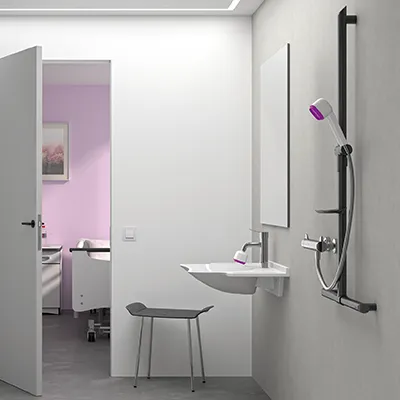
Rethinking Water Safety: The Underestimated Risk of Nontuberculous Mycobacteria and the Critical Role of POU Filters
Nontuberculous Mycobacteria (NTM) are a significant source of nosocomial infections and among the most common and costly sources of water-associated infections. This piece highlights the growing recognition of NTM risk and the role of point-of-use (POU) filters in infection control.

Strategic Filtration: Optimizing Healthcare Water Safety and Regulatory Compliance
Point-of-Use filters are a critical component of comprehensive water management programs in healthcare facilities. They provide an essential final barrier against waterborne pathogens, particularly in high-risk areas and for vulnerable patient populations.

Why use Point-of-Use Filters in Neonate Units?
Neonatal care is one of the most delicate areas in healthcare. Premature and newborn babies are highly vulnerable to infections due to their underdeveloped immune systems, making it essential to create a safe and sterile environment.
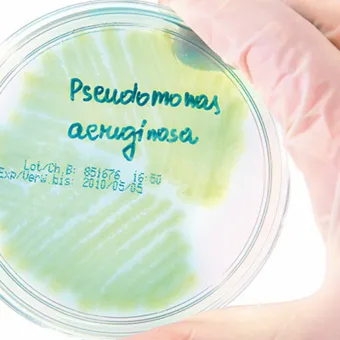
Origins, cross-contamination, surveillance, how to protect patients?
How Filt’RAY Point-of-Use Filters can prevent waterborne infection? Pseudomonas and other GRAM negative bacteria in ICUs and neonatal ICUs.
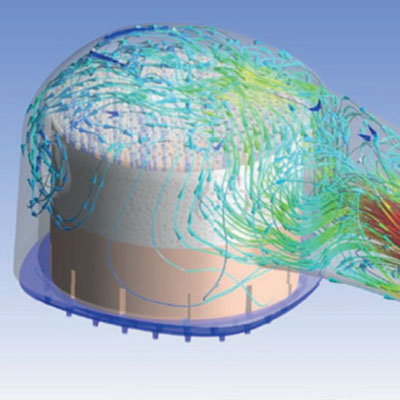
Controlling Legionella and other waterborne pathogens in the water distribution system
FILT’RAY 2G faucet and shower head filters: controlling the health risks and reducing the costs for healthcare facilities.